


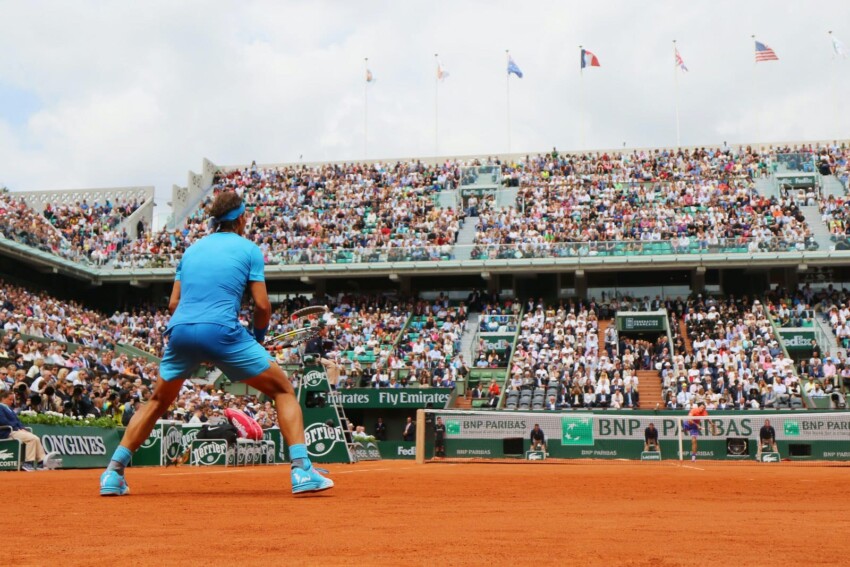
When you think of tennis paris, images of red clay courts, passionate crowds, and legendary rallies come to mind. Paris isn’t just the City of Light; it’s also the epicenter of one of the world’s most prestigious tennis events. Every year, the French Open draws millions of fans from around the globe, showcasing athletic prowess on those iconic clay surfaces. In this article, we’ll dive deep into what makes tennis paris so special, from its rich history to the stars who’ve graced its courts. Whether you’re a seasoned fan or just getting into the sport, there’s something here to inspire you. After all, tennis paris represents not only competition but also the joy of the game in a vibrant, historic setting.
The Origins of Tennis Paris
Tennis paris has roots that stretch back over a century, blending French culture with the evolution of the sport. It all began in 1891 with the first French Championships, initially open only to French club members. Back then, it was a modest affair, held at various venues around Paris, like the Stade Français and Parc de Saint-Cloud. But oh boy, how things changed! By 1925, the tournament opened up to international players, marking its rise as a Grand Slam event. This shift put tennis paris on the global map, attracting talent from far and wide.
As the years rolled on, the event grew in stature. The clay courts, with their slower pace and higher bounces, demanded a unique style of play—endurance over sheer power. It’s no wonder players had to adapt or get left in the dust. Early champions like Max Decugis, who won eight titles between 1903 and 1914, set the stage for what would become a hallmark of tennis paris: relentless baseline battles. These origins remind us that tennis paris isn’t just about winning; it’s about building a legacy in a city that cherishes tradition.
Iconic Venue: Stade Roland Garros
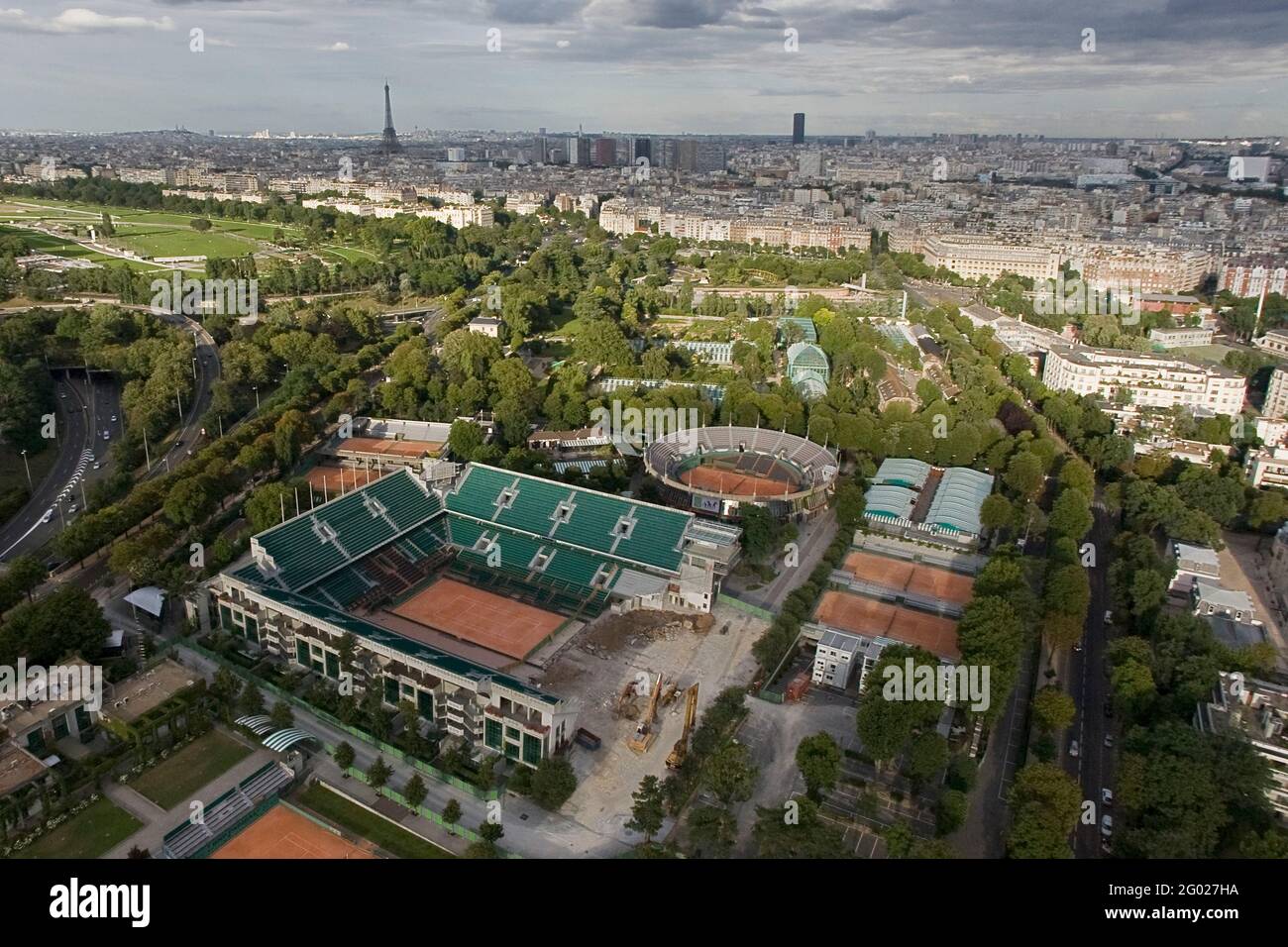
No discussion of tennis paris would be complete without spotlighting Stade Roland Garros, the crown jewel of the sport in the French capital. Nestled in the 16th arrondissement, this sprawling complex spans 13.5 hectares and boasts 20 courts, including three major stadiums. Named after aviator Roland Garros, it was built in 1928 specifically for France’s Davis Cup defense, and it’s been the home of the French Open ever since.
What makes this venue stand out? Well, for starters, its clay courts are legendary. The red dirt, sourced from crushed bricks, creates a surface that’s forgiving on the joints but tough on the players’ strategies. Courts like Philippe-Chatrier, with its retractable roof, ensure matches go on rain or shine, adding a modern twist to the classic setup. And let’s not forget the botanical charm—courts surrounded by greenery make it feel like a garden party with aces.
Visitors often rave about the atmosphere. During the tournament, the air buzzes with excitement, from the cheers echoing through the stands to the scent of fresh croissants at the on-site restaurants. If you’re planning a trip, consider exploring Les Jardins de Roland Garros or the Tenniseum museum, which dives into tennis history. Stade Roland Garros truly embodies the spirit of tennis paris, where history meets innovation.
Evolution of the French Open
The French Open, or Roland-Garros as it’s affectionately known, has evolved dramatically since its inception. Starting as a national championship in 1891, it transformed into an international spectacle by 1925, when foreign players were invited. This move was a game-changer, literally, elevating tennis paris to Grand Slam status alongside Wimbledon, the US Open, and the Australian Open.
In 1968, another milestone hit: the tournament became the first Grand Slam to go “open,” allowing both amateurs and professionals to compete. Suddenly, the best of the best were clashing on those clay courts, leading to epic rivalries. The event runs for two weeks in late May and early June, with singles, doubles, and mixed categories keeping fans on the edge of their seats.
Over time, the French Open has embraced technology and inclusivity. From hawk-eye challenges to equal prize money for men and women since 2006, it’s stayed ahead of the curve. And with over 500,000 spectators annually, it’s a testament to how tennis paris continues to captivate hearts worldwide. Looking back, this evolution shows that tennis paris isn’t stuck in the past; it’s always looking forward with optimism.
Legendary Players Who Defined Tennis Paris
Tennis paris has been the stage for some of the greatest athletes in history, each leaving an indelible mark on the clay. Take Rafael Nadal, for instance—the “King of Clay” has clinched a record 14 titles at Roland Garros, showcasing unmatched stamina and topspin forehands. His dominance is stuff of legends, turning potential upsets into masterclasses.
On the women’s side, Chris Evert ruled the 1970s and 80s with seven victories, her baseline precision a perfect fit for the surface. Then there’s Bjorn Borg, who won six titles in the open era, his cool demeanor under pressure inspiring generations. French heroes like Yannick Noah, the last home winner in 1983, added local flavor, igniting national pride.
More recently, players like Novak Djokovic and Iga Swiatek have continued the tradition, adapting their games to conquer the clay. These stars remind us that tennis paris rewards not just skill, but heart and adaptability. Who knows? The next legend might be warming up right now.

The Unique Challenges of Clay Courts in Tennis Paris
Ah, the clay courts of tennis paris—they’re a breed apart, aren’t they? Unlike grass or hard courts, clay slows down the ball, leading to longer rallies and a premium on fitness. The high bounce favors players with strong groundstrokes, making it a true test of endurance.
But it’s not all smooth sailing. Sliding on clay requires technique to avoid injuries, and the surface can get dusty, affecting visibility. Weather plays a role too; rain can turn courts into slippery messes, though modern roofs help. Yet, these challenges build character, turning good players into great ones.
For aspiring athletes, training on clay hones patience and strategy. It’s why tennis paris is seen as the ultimate proving ground. Embracing these hurdles with a positive mindset can lead to triumphs that echo through history.
Memorable Moments and Matches in Tennis Paris History
Over the decades, tennis paris has gifted us moments that still give chills. Remember the 1984 final where Ivan Lendl outlasted John McEnroe in five sets? It was a clash of styles—baseline grinder versus serve-and-volley artist—that defined an era.
Fast forward to 2008: Nadal’s demolition of Federer in straight sets, solidifying his clay supremacy. Or Steffi Graf’s 1988 Golden Slam, where she won all majors plus Olympics, starting with Roland Garros. These epics aren’t just wins; they’re stories of resilience.
Women’s highlights include Monica Seles’ three-peat in the early 90s and Serena Williams’ powerful comebacks. Each match adds to the tapestry of tennis paris, proving that on these courts, anything can happen. It’s this unpredictability that keeps fans coming back, hopeful for the next thriller.
Modern Innovations Shaping Tennis Paris
Tennis paris isn’t resting on its laurels; it’s innovating like never before. The recent $400 million renovation at Roland Garros introduced a retractable roof on Court Philippe-Chatrier and the stunning Simonne-Mathieu Court, embedded in botanical gardens. These upgrades ensure seamless play and a greener footprint.
Technology has stepped up too, with electronic line calling reducing disputes and enhancing fairness. Sustainability efforts, like water recycling and eco-friendly materials, show a commitment to the future.
Moreover, initiatives to promote youth tennis in Paris are blooming, with programs at local clubs fostering the next generation. It’s exciting to see how these changes keep tennis paris vibrant and accessible, promising even brighter days ahead.
Experiencing Tennis Paris as a Fan or Visitor
If you’re itching to dive into tennis paris firsthand, there’s no better way than attending the French Open. Tickets range from ground passes for outer courts to premium seats on center court—book early, as they sell out fast!
Beyond the tournament, visit the Tenniseum for interactive exhibits on tennis history. Or hit up nearby clubs for a casual game; Paris boasts hundreds of public courts. Don’t miss the Jean Bouin Practice Center for glimpses of pros training.
For a full immersion, pair your visit with Parisian delights—picnic in Bois de Boulogne or stroll to the Eiffel Tower post-match. Tennis paris offers more than sport; it’s a cultural adventure that leaves you inspired and optimistic about life’s possibilities.
The Cultural Impact of Tennis Paris on France and Beyond
Tennis paris extends far beyond the baseline, influencing French culture and global perceptions. In France, the sport is woven into everyday life, with clubs in every neighborhood and kids dreaming of Roland Garros glory. It’s a source of national pride, especially when home players shine.
Internationally, the French Open sets trends in fashion—think stylish outfits and clay-stained socks—and promotes diversity in tennis. Media coverage amplifies stories of underdogs, inspiring viewers worldwide.
Economically, the tournament boosts Paris with tourism and jobs. But at its core, tennis paris fosters unity, bringing people together through shared passion. It’s a beacon of optimism, showing how sport can bridge divides.
Future Prospects for Tennis Paris
Looking ahead, tennis paris is poised for even greater heights. With emerging talents like Carlos Alcaraz adapting to clay, the competition will intensify. Plans for further venue expansions and tech integrations promise enhanced experiences.
Efforts to make the sport more inclusive, such as wheelchair tennis and junior programs, are gaining momentum. Climate considerations might lead to more sustainable practices, ensuring longevity.
In essence, the future of tennis paris looks bright, full of potential for new records and unforgettable stories. It’s an exciting time to be a fan, as the legacy continues to evolve.
Here’s a table summarizing the top men’s and women’s singles winners at the French Open in the Open Era:
| Player | Country | Titles | Years Won |
|---|---|---|---|
| Rafael Nadal | Spain | 14 | 2005-2008, 2010-2014, 2017-2020, 2022 |
| Chris Evert | USA | 7 | 1974-1975, 1979-1980, 1983, 1985-1986 |
| Bjorn Borg | Sweden | 6 | 1974-1975, 1978-1981 |
| Steffi Graf | Germany | 6 | 1987-1988, 1993, 1995-1996, 1999 |
| Novak Djokovic | Serbia | 3 | 2016, 2021, 2023 |
This table highlights the dominance of these players on the clay of tennis paris.
- Bullet points on why clay courts are unique:
- Slower ball speed encourages strategic play.
- Higher bounce tests players’ adaptability.
- Requires superior physical conditioning.
- Favors consistent baseliners over big servers.
- Adds an element of unpredictability with weather.
As we wrap up, remember that tennis paris isn’t just a location; it’s a celebration of perseverance and passion.
Fazit
In conclusion, tennis paris stands as a timeless symbol of excellence in the sport, blending history, innovation, and sheer excitement. From the dusty clay courts to the roaring crowds, it offers lessons in resilience that extend beyond tennis. Whether you’re watching from afar or planning a visit, the optimism surrounding tennis paris promises endless inspiration. Let’s keep cheering for its bright future.
FAQs
What is the main venue for tennis paris? The primary venue is Stade Roland Garros, located in Paris, hosting the French Open annually.
Who holds the record for most French Open titles? Rafael Nadal with 14 men’s singles titles, a feat that’s redefined dominance on clay.
When does the French Open take place? It runs for two weeks starting in late May, bringing the best of tennis paris to life.
Why is clay court tennis unique in Paris? The surface slows play, leading to longer rallies and emphasizing endurance over power.
How can I get tickets for tennis paris events? Tickets are available through the official Roland Garros website; early booking is key for popular sessions.
