


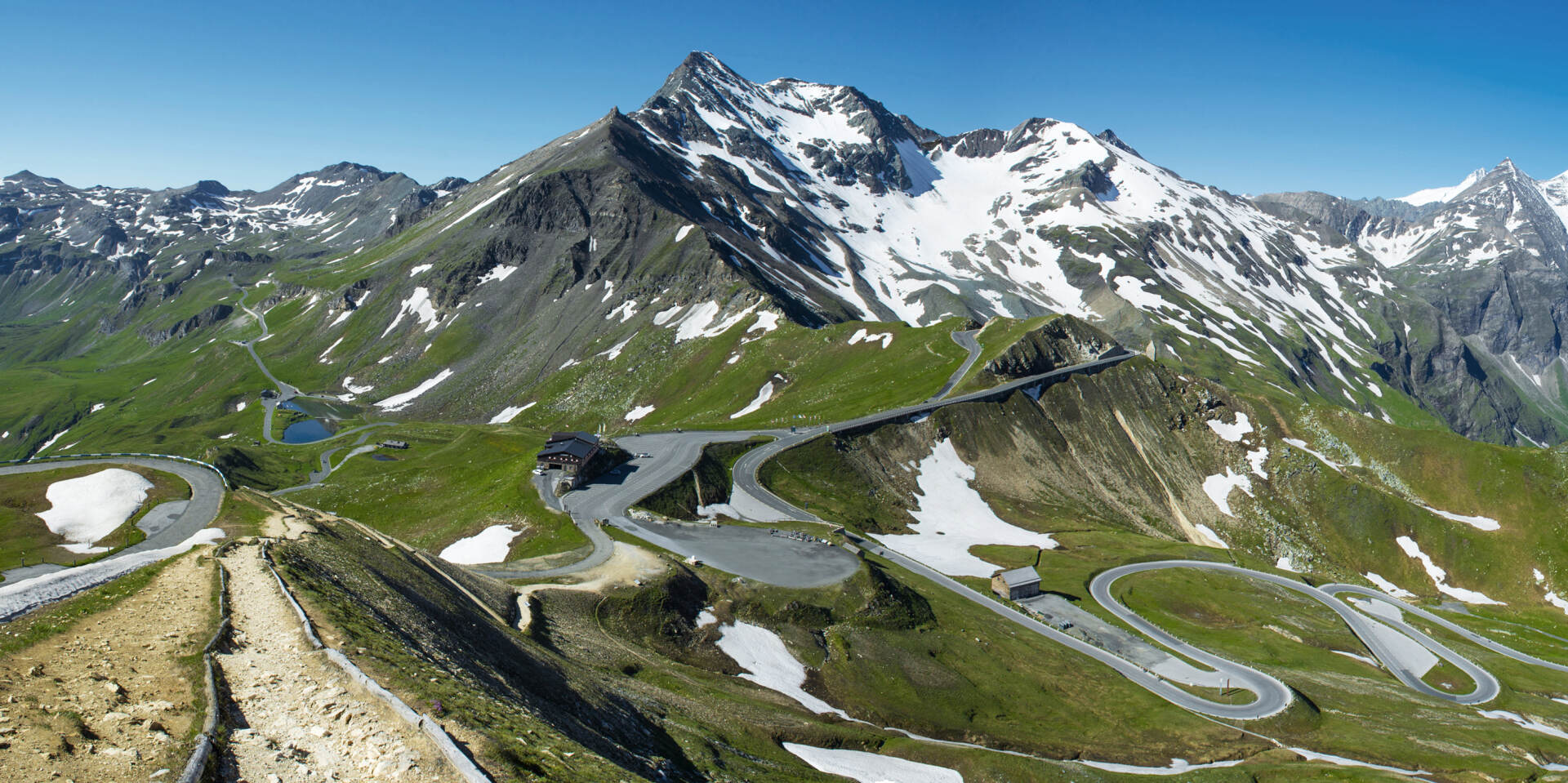
Ah, grossglockner – that towering icon of the Austrian Alps, standing proud and inviting adventurers from all corners of the globe. As Austria’s highest mountain, grossglockner isn’t just a peak; it’s a symbol of natural wonder, a place where the sky seems closer and the air fresher. Rising to an impressive 3,798 meters above sea level, this majestic formation draws in hikers, drivers, and nature lovers alike, promising breathtaking views and unforgettable experiences. Whether you’re dreaming of scaling its slopes or simply gazing at its snow-capped summit from afar, grossglockner offers something truly special. In this article, we’ll dive deep into what makes this mountain so captivating, blending history, geography, and tips to help you appreciate it fully. After all, exploring grossglockner is like unlocking a treasure chest of alpine secrets, and who knows what inspirations you’ll find along the way?
Imagine standing at the base, looking up at those rugged cliffs blanketed in eternal snow – it’s a sight that stirs the soul. Grossglockner, part of the Hohe Tauern National Park, isn’t merely about height; it’s about the stories etched into its rocks, the ecosystems thriving on its flanks, and the human ingenuity that has made it accessible. As we journey through these pages, you’ll see why this peak holds such authority in the world of mountaineering and tourism. From its geological origins to modern-day adventures, grossglockner continues to inspire optimism, reminding us of nature’s resilience and beauty.

Where Grossglockner Stands Tall
Nestled right on the border between Carinthia and East Tyrol in Austria, grossglockner commands attention as the centerpiece of the Glockner group within the Hohe Tauern range. This location isn’t accidental; it’s where the Eastern Alps reach their pinnacle, east of the Brenner Pass, making it a geographical marvel. Surrounded by other lofty peaks, grossglockner overlooks valleys that carve through the landscape like ancient rivers of ice. The Pasterze Glacier, Austria’s longest, sprawls at its feet, a shimmering white expanse that’s both awe-inspiring and a bit humbling – after all, it’s been retreating due to climate changes, but efforts to study and protect it give us hope for the future.
Geologically speaking, grossglockner is a pyramid-shaped wonder formed from prasinite rocks, tough and enduring against the elements. It’s part of a larger national park that’s the biggest in Austria, covering vast areas of pristine wilderness. If you’re planning a visit, knowing its coordinates helps: it’s at about 47 degrees north latitude and 12.7 degrees east longitude, smack in the heart of the Alps. Transitional phrases aside, let’s not forget how this positioning affects the weather – crisp, clear days in summer contrast with snowy winters, creating a year-round playground for those who dare.
To give you a clearer picture, here’s a simple table comparing grossglockner to other notable European peaks:
| Mountain Name | Country | Height (meters) | Notable Feature |
|---|---|---|---|
| Grossglockner | Austria | 3,798 | Highest in Austria, with Pasterze Glacier |
| Mont Blanc | France/Italy | 4,809 | Highest in Western Europe |
| Matterhorn | Switzerland/Italy | 4,478 | Iconic pyramid shape |
| Zugspitze | Germany | 2,962 | Highest in Germany |
This table shows how grossglockner holds its own, offering unique attractions without the overwhelming crowds of some counterparts. Optimistically, its accessibility via roads means even families can enjoy its splendor without extreme efforts.
A Peek into Grossglockner’s Past
Oh, the tales grossglockner could tell if mountains could speak! Its history stretches back millennia, with Celts and Romans using nearby paths for trade as early as 3,500 years ago. But the real excitement kicked off in the 18th century when explorers began eyeing its summit. The first ascent happened on July 28, 1800, led by a team including Prince-Bishop Franz Xaver von Salm-Reifferscheidt – talk about a royal adventure! They braved treacherous ice and rock, marking a milestone in alpine exploration.
Fast forward to the 19th century, and tourism started transforming the area. Emperor Franz Joseph I and Empress Sisi visited in 1856, putting grossglockner on the map for the elite. By the early 20th century, after Austria lost the Ortler to Italy in 1919, grossglockner officially became the nation’s tallest peak, boosting its prestige. The 1930s brought the construction of the famous high alpine road, a project that not only created jobs during tough times but also opened up this wonder to the masses. It’s like the mountain was waiting for humanity to catch up, and now, with modern conservation, its legacy shines brighter than ever.
Legends abound too – locals whisper of mythical energies and ancient spirits guarding the slopes. These stories add a layer of intrigue, making every visit feel like stepping into a fairy tale. Historically, the shift from agriculture to tourism has been a boon, creating sustainable livelihoods while preserving the environment. Grossglockner, with its rich past, encourages us to look forward with hope.
Conquering the Heights: Climbing Grossglockner
For those with a spirit of adventure, climbing grossglockner is the ultimate thrill – but hey, it’s not for the faint of heart! The standard route, via the Stüdlgrat ridge, involves glaciers, rock scrambles, and some technical moves, rated at UIAA II-III difficulty. Starting from huts like the Lucknerhaus or Salm Hut, climbers often take two days, acclimatizing and enjoying the views along the way.
Safety first, though – always go with a certified guide, as crevasses and weather changes can turn tricky. Equipment like crampons, ice axes, and harnesses is essential. And get this: the south side, where the first ascent occurred, offers a less crowded path from the Salm Hut at 2,634 meters. Once at the top, the panorama of surrounding Alps is rewarding beyond words, a true high point in life!
- Preparation Tips: Train for endurance; practice on easier peaks.
- Best Time: July to September, when snow is stable.
- Challenges: Avalanche risks in winter; always check forecasts.
- Rewards: Summit cross views; a sense of accomplishment.
Climbing grossglockner builds character, fostering resilience and joy in nature’s embrace.
The Scenic Wonder: Grossglockner High Alpine Road
If scaling the peak sounds too intense, don’t worry – the Grossglockner High Alpine Road is your ticket to alpine bliss without breaking a sweat. This 48-kilometer marvel, with 36 hairpin bends, winds up to 2,504 meters at Hochtor Pass, offering jaw-dropping vistas at every turn. Built in the 1930s by engineer Franz Wallack, it’s a engineering feat that blends seamlessly with the landscape.
Driving or cycling this road feels like a dream, with stops at viewpoints like the Edelweissspitze for 360-degree panoramas. The Kaiser-Franz-Josefs-Höhe overlook lets you gaze at the Pasterze Glacier, and museums along the way educate on the area’s history. Optimistically, it’s self-sustaining as a toll road, attracting up to a million visitors yearly without harming the environment.

Wildlife and Plants Around Grossglockner
Step into the vibrant world of grossglockner’s ecosystems, where life thrives against all odds. The Hohe Tauern National Park hosts diverse flora and fauna, from hardy alpine flowers like edelweiss to majestic animals such as ibex and golden eagles. These species have adapted to high altitudes, creating a balanced habitat that’s a biologist’s paradise.
In spring, meadows burst with colorful blooms – gentians, saxifrages, and more – painting the slopes in hues of blue and yellow. Wildlife spotting is a highlight: chamois leap across rocks, while marmots whistle warnings. Birds of prey soar overhead, and rare insects buzz in the undergrowth. Conservation efforts ensure these treasures endure, promoting biodiversity.
- Key Species: Alpine ibex, chamois, golden eagle.
- Plant Adaptations: Low-growing to withstand winds; deep roots for nutrients.
- Viewing Tips: Use binoculars; visit early morning for activity.
Grossglockner’s natural inhabitants remind us of nature’s ingenuity, filling us with optimism for preservation.
Adventures Await: Tourism Activities
Grossglockner isn’t just for climbers; it’s a hub of activities that cater to everyone. Hiking trails abound, from gentle walks to challenging treks, each offering unique perspectives. In winter, skiing and snowshoeing take center stage, with groomed slopes and backcountry options.
For families, educational centers like the Glocknerhaus provide interactive exhibits on geology and history. Photography enthusiasts flock here for stunning shots, especially at dawn. Even paragliding is possible for the daring! Tourism has evolved sustainably, with eco-friendly lodges and guided tours that educate on environmental respect.
Bullet points for top activities:
- Hiking: Explore paths to glaciers.
- Driving: Scenic road tours.
- Wildlife Watching: Guided safaris.
- Cultural Visits: Museums and historical sites.
- Winter Sports: Skiing amid peaks.
With so much to do, grossglockner promises adventures that create lasting memories.
Protecting Grossglockner for the Future
In an era of climate change, protecting grossglockner is crucial – and thankfully, initiatives are in full swing. The national park enforces strict rules to minimize human impact, from waste management to trail maintenance. Glaciers like Pasterze are monitored, with research aiding global understanding of warming effects.
Community involvement plays a big role; locals and tourists alike participate in clean-up drives and awareness campaigns. Sustainable tourism, like electric shuttles on the road, reduces emissions. Looking ahead, these efforts foster hope, ensuring grossglockner remains a beacon for generations.
Challenges include melting ice and overtourism, but solutions like visitor caps show promise. By supporting these, we contribute to a brighter future for this alpine gem.
Fun Facts About Grossglockner
Did you know grossglockner means “Big Bell” in German, perhaps due to its bell-like shape? Or that it’s home to Austria’s longest glacier, over 8 kilometers long? Here’s more to wow you:
- First climbed in 1800 by a large expedition.
- Features in countless legends as a mystical site.
- Attracts over 800,000 visitors annually via the road.
- Part of UNESCO tentative list for its cultural value.
These tidbits highlight why grossglockner captivates so many.
Fazit
In wrapping up, grossglockner stands as more than a mountain – it’s a testament to nature’s grandeur and human perseverance. From its lofty heights to the winding roads that embrace it, grossglockner invites us to explore, learn, and protect. As we’ve seen through its history, geography, and vibrant life, this peak embodies optimism, showing how beauty and adventure can coexist with conservation. Whether you’re planning a trip or just dreaming from afar, remember that grossglockner awaits with open arms, ready to inspire. Let’s cherish and safeguard this Austrian jewel for years to come, ensuring its majesty endures.
FAQs
What is the height of grossglockner?
Grossglockner reaches 3,798 meters, making it Austria’s highest mountain.
When was the first ascent of grossglockner?
The first successful climb occurred on July 28, 1800.
What is the Grossglockner High Alpine Road famous for?
It’s renowned for its 36 hairpin bends and stunning views of the mountain and glacier.
Is grossglockner suitable for families?
Yes, with easy access via the road and family-friendly activities like hiking and exhibits.
How can I help protect grossglockner?
Support sustainable tourism, follow park rules, and participate in conservation efforts.
